Debian 13 Trixie server administration 2026 has become the gold standard for enterprise Linux deployments. Released in September 2025, Debian 13 “Trixie” represents the culmination of years of community-driven development, offering unparalleled stability and cutting-edge features for system administrators. Whether you are managing a single VPS or an entire data center fleet, mastering Debian 13 Trixie server administration 2026 is essential for maintaining robust, secure infrastructure.
Why Choose Debian 13 Trixie for Server Administration in 2026
Debian 13 Trixie server administration 2026 offers significant advantages over previous releases and competing distributions. The release ships with Linux kernel 6.12+, providing enhanced hardware support and improved I/O performance through io_uring optimizations. Security support extends until August 2028, with Long Term Support (LTS) available through June 2030, ensuring your infrastructure remains protected for years to come.
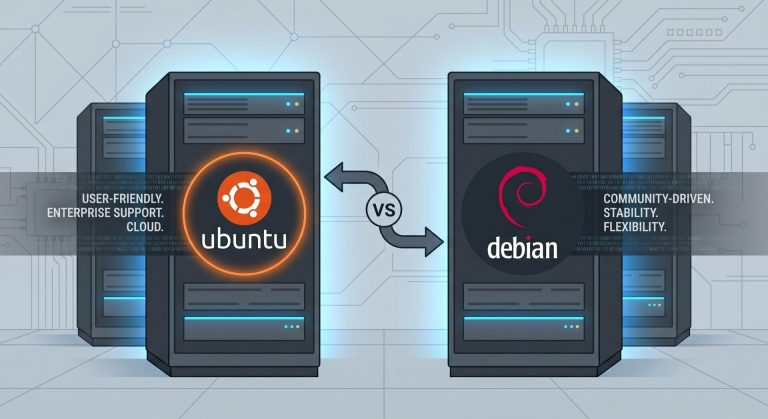
Unlike distributions that prioritize bleeding-edge features over stability, Debian 13 maintains the project’s legendary reputation for reliability. This makes Debian 13 Trixie server administration 2026 ideal for production environments where downtime is simply not an option. The conservative approach to package updates means you get thoroughly tested software that just works.
Key New Features in Debian 13 for Server Administrators
DebNet: Bus Factor Visualization Tool
One of the most innovative additions to Debian 13 Trixie server administration 2026 is DebNet, a powerful visualization tool that analyzes package dependencies and maintainer relationships. Using data from the Ultimate Debian Database (UDD), DebNet calculates Bus Factor, Fragility Score, and Dependency Impact for packages in your infrastructure.
For system administrators, this means unprecedented visibility into potential vulnerabilities. If a critical package like nginx or OpenSSL is maintained by only one or two developers, DebNet flags this risk. Debian 13 Trixie server administration 2026 empowers you to make informed decisions about which components require additional scrutiny or backup plans.
Live Log Streaming with Debusine
The Debusine build service in Debian 13 introduces live log streaming for long-running tasks. When compiling custom kernels, building packages from source, or running extensive test suites, you no longer need to wait for completion to diagnose issues. Real-time monitoring allows you to catch failures early and adjust your approach immediately.
This feature is particularly valuable for organizations maintaining custom software repositories. Debian 13 Trixie server administration 2026 streamlines CI/CD pipelines and reduces the feedback loop for build processes, saving hours of troubleshooting time.
Enhanced Debuginfod Integration
Debugging production issues becomes significantly easier with Debian 13’s integrated debuginfod server. This service automatically resolves debug symbols, eliminating the manual step of installing separate debug packages. When analyzing core dumps from Apache, PostgreSQL, or custom applications, gdb sessions start faster and provide more meaningful stack traces.
Getting Started with Debian 13 Server Installation
Installing Debian 13 for server use follows the familiar Debian installer pattern, with several improvements. The installer now better detects modern hardware, including NVMe drives and network cards that previously required manual driver configuration. For automated deployments, preseeding configurations from Debian 12 largely remain compatible, though reviewing the updated documentation is recommended.
After installation, the first priority in Debian 13 Trixie server administration 2026 is updating the package list and applying security patches:
sudo apt updatesudo apt full-upgrade
The full-upgrade command handles dependency changes more gracefully than the traditional dist-upgrade, making Debian 13 Trixie server administration 2026 more predictable during major updates.
Essential Server Hardening for Debian 13
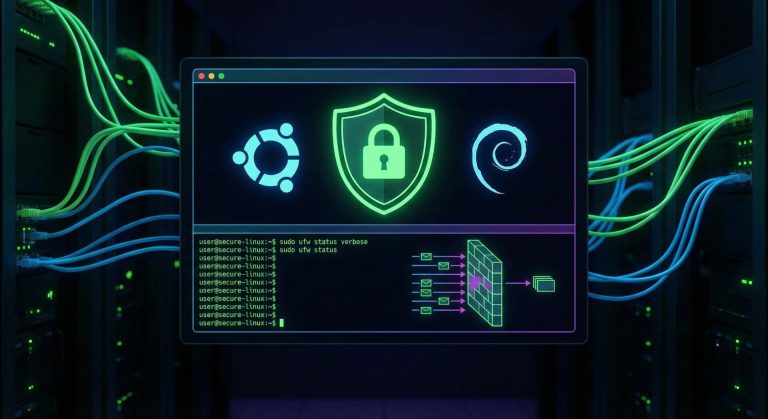
Security remains paramount in Debian 13 Trixie server administration 2026. While Debian ships with reasonable defaults, production servers require additional hardening. Start by configuring the Uncomplicated Firewall (UFW) to restrict network access:
sudo apt install ufwsudo ufw default deny incomingsudo ufw default allow outgoingsudo ufw allow sshsudo ufw allow 80/tcpsudo ufw allow 443/tcpsudo ufw enable
SSH hardening is equally critical. Edit /etc/ssh/sshd_config to disable root login and password authentication:
PermitRootLogin noPasswordAuthentication noMaxAuthTries 3
Installing and configuring fail2ban provides automated protection against brute-force attacks, a standard practice in Debian 13 Trixie server administration 2026:
sudo apt install fail2bansudo systemctl enable fail2bansudo systemctl start fail2ban
Package Management Best Practices
Debian 13 Trixie server administration 2026 introduces improvements to APT that streamline security updates. The apt list –upgradable command now integrates seamlessly with unattended-upgrades, making it easier to identify and apply critical patches. For production servers, enable automatic security updates:
sudo apt install unattended-upgradessudo dpkg-reconfigure -plow unattended-upgrades
The production-ready debianize tool simplifies creating .deb packages from upstream sources. For organizations maintaining custom software, this reduces the manual work previously required with dh_make workflows. Debian 13 Trixie server administration 2026 makes it practical to package internal tools using standard Debian conventions.
Monitoring and Maintenance
Effective Debian 13 Trixie server administration 2026 requires proactive monitoring. After kernel updates, always check if a reboot is required:
cat /var/run/reboot-required
For comprehensive system monitoring, consider deploying tools like Prometheus and Grafana. Debian 13 includes updated packages for these popular monitoring solutions, with improved systemd integration for reliable service management.
Log management has improved significantly in Debian 13. The journalctl command provides powerful filtering capabilities for systemd journals:
journalctl --since "1 hour ago"journalctl -u nginx --since todayjournalctl --priority=err --since "24 hours ago"
Upgrading from Debian 12 Bookworm
If you are currently running Debian 12, upgrading to Debian 13 Trixie is straightforward but requires planning. Always test the upgrade process in a non-production environment first. The basic upgrade procedure involves updating sources.list and running the upgrade commands:
sudo sed -i "s/bookworm/trixie/g" /etc/apt/sources.listsudo apt updatesudo apt full-upgrade
During Debian 13 Trixie server administration 2026 upgrades, pay special attention to configuration file changes. The package manager will prompt when existing configurations differ from new defaults. Keeping backups of /etc before upgrading allows quick rollback if issues arise.
Email Server Configuration
Debian 13 extends support for open-source email servers with hardened configuration guides for 15 popular setups. Whether deploying Postfix with Dovecot or exploring newer alternatives like listmonk, Debian 13 Trixie server administration 2026 provides thoroughly tested configurations optimized for security.
Modern email deployment requires careful attention to DNS configuration, TLS certificates, and authentication mechanisms. Debian 13 includes updated packages for Let’s Encrypt integration, making automated certificate management straightforward for mail servers.
Virtualization and Container Support
Debian 13 Trixie server administration 2026 excels as a virtualization host. With QEMU and libvirt updates, you gain access to versioned CPU models, improved migration capabilities with zero block detection, and enhanced security through AMD SEV-SNP support. These features make Debian 13 an ideal foundation for private cloud infrastructure.
Container orchestration with Docker and Podman works seamlessly on Debian 13. The distribution maintains compatibility with Kubernetes while providing the stability required for long-running container workloads. For development environments, rootless container support has improved significantly.
Conclusion
Debian 13 Trixie server administration 2026 represents a mature, reliable platform for enterprise infrastructure. The combination of Linux kernel 6.12+, enhanced debugging tools like DebNet and debuginfod, and improved build services makes this release particularly compelling for system administrators managing production workloads.
Whether you are deploying new servers or upgrading existing infrastructure, Debian 13 provides the stability and features necessary for modern IT operations. The extended support timeline through 2030 ensures your investment in Debian 13 Trixie server administration 2026 skills and configurations will continue paying dividends for years to come.
For more Linux server administration guides, check out our articles on Linux Server Security Hardening and Ubuntu Server Setup. Continue exploring Debian 13 Trixie server administration 2026 techniques to build increasingly robust and secure infrastructure.

Hi, I’m Mark, the author of Clever IT Solutions: Mastering Technology for Success. I am passionate about empowering individuals to navigate the ever-changing world of information technology. With years of experience in the industry, I have honed my skills and knowledge to share with you. At Clever IT Solutions, we are dedicated to teaching you how to tackle any IT challenge, helping you stay ahead in today’s digital world. From troubleshooting common issues to mastering complex technologies, I am here to guide you every step of the way. Join me on this journey as we unlock the secrets to IT success.