What if you could breathe new life into an old computer, making it run faster and smoother than it did when it was new? This isn’t a fantasy; it’s the practical power of choosing the right operating system. For many users, the key lies in finding an efficient option that prioritizes performance over visual flair. These specialized operating systems are designed with minimal resource consumption as a core principle. They demand less from your computer’s memory and processor. This results in quicker start-up times and a more responsive machine overall. The difference is often most noticeable in the desktop environment, the graphical interface you interact with. Our goal is to guide you through this landscape. We have tested numerous options to help you make an informed decision. The best choice depends on your specific hardware, your comfort level with technology, and what you plan to do with your system. A great starting point for exploring specific options is this guide to the best lightweight Linux distro available today.
Key Takeaways
- Efficient operating systems can revitalize older or less powerful hardware.
- The core advantage is lower demand on system resources like RAM and CPU.
- This leads to faster boot times and a more responsive user experience.
- The choice of desktop environment greatly impacts system performance.
- The ideal selection depends on your hardware, skill level, and intended use.
- Modern efficient systems offer full functionality without excessive resource use.
Understanding Lightweight Linux Distributions
At the core of every responsive system lies a carefully engineered balance between functionality and resource consumption. We examine the technical characteristics that define these efficient operating systems.
What Makes a Linux Distro Lightweight?
These specialized operating systems achieve lower memory and processor requirements through deliberate design choices. They eliminate software bloat by removing features with limited practical use.
The technical foundation includes optimized kernel configurations and minimal pre-installed software packages. Efficient memory management replaces resource-intensive applications with lean alternatives.
Understanding hardware requirements helps users match distributions to their available resources. Some systems run comfortably on machines with 256 MB RAM, while others need at least 1 GB for smooth operation.
Benefits of a Minimalist Desktop Environment
The desktop environment fundamentally determines how lightweight a distribution feels in practice. Options range from full-featured environments requiring 2+ GB RAM to minimalist window managers needing as little as 64 MB.
Benefits extend beyond lower memory consumption to include faster boot times and reduced disk space usage. These systems also offer lower power consumption and improved responsiveness on aging hardware.
Modern efficient distributions balance performance with usability. They provide streamlined interfaces without sacrificing essential functionality. For example, Lubuntu demonstrates how this balance can be achieved effectively.
antiX: A Lightweight Linux Distro with Robust App Support
For hardware with extreme limitations, specialized operating systems offer a practical solution to extend usability. The antiX distribution stands out as a powerful option for computers with minimal resources. This system requires only 256 MB of RAM to operate effectively.
Key Features and Performance Metrics
We find antiX delivers impressive performance even on aging hardware. The full edition comes with IceWM window manager and Rox file manager. It includes numerous applications for everyday computing tasks.
This distro accesses software from both its own repositories and Debian’s extensive archives. Users can install thousands of additional applications. The system maintains efficiency while offering comprehensive software access.
Custom Apps and Fast Boot Times
The installation process takes only 3-10 minutes from start to finish. This speed significantly outpaces many mainstream operating systems. The custom antiX control panel provides centralized system configuration.
Users can modify desktop appearance, configure the ad blocker, and manage partitions. The distro includes Synaptic package manager and a metapackage installer. Like Puppy Linux, antiX demonstrates how minimal systems can deliver full functionality.
The default IceWM desktop may appear basic, but customization options allow personalization. Users can adjust themes, menus, and wallpapers without sacrificing system performance.
BunsenLabs: Ideal for Debian Enthusiasts
When a beloved distribution disappears, its community often carries forward the vision through new projects that preserve the original philosophy. BunsenLabs continues the legacy of Crunchbang, maintaining the same commitment to efficiency and customization that made its predecessor popular among Debian enthusiasts.
Openbox-Based Customization
The current Beryllium release builds on Debian 11, featuring the highly configurable Openbox window manager. This approach gives users extensive control over their desktop appearance and behavior without heavy resource consumption.
Keyboard shortcuts, menu layouts, and visual themes can all be personalized. The system includes carefully selected applications that provide immediate functionality. This thoughtful curation ensures a streamlined experience right from the start.
Installation Experience and Live Demo Tips
We recommend testing the live version before installation. This allows you to evaluate performance and hardware compatibility without altering your current system. The installation process follows standard Debian procedures.
While installation may take longer than some alternatives, the result is a finely-tuned system. Full compatibility with Debian repositories provides access to thousands of additional software packages. This support network represents a significant advantage for the community.
The linux distribution supports both 32-bit and 64-bit architectures. Developers recommend 2+ GB RAM for optimal performance. This positions BunsenLabs as suitable for moderately older hardware while delivering exceptional responsiveness.
Linux Lite: Easing Migration for Windows Users
For users accustomed to Microsoft’s ecosystem, finding a comfortable entry point into alternative systems requires thoughtful design considerations. The Linux Lite distribution specifically addresses this challenge by creating a smooth transition path.
Familiar Interface and Preloaded Software
This distro features the Xfce desktop environment configured to resemble Windows aesthetics. The layout includes a familiar taskbar and start menu equivalent. This design minimizes the learning curve for new users.
The system comes with essential software preinstalled for immediate productivity. Google Chrome serves as the default browser, providing a familiar web experience. VLC Media Player and LibreOffice handle multimedia and office tasks effectively.
Optimized Performance on Older Machines
Linux Lite incorporates the zRAM memory compression tool for better performance on aging hardware. This technology helps the system run faster on older machines with limited resources. The special Lite Upgrade utility simplifies system updates.
Hardware requirements include a 1.5GHz processor and 1GB RAM minimum. This positions the distro as suitable for computers from the last decade. The Xfce desktop environment ensures responsive performance across various systems.
Based on Ubuntu 22.04.2 LTS, this Linux Lite version offers five years of support. For detailed information, consult this comprehensive guide to Linux Lite. The system focuses exclusively on 64-bit architecture for modern optimization.
Lubuntu: Optimized for Older Hardware
When hardware limitations challenge modern software demands, specialized solutions emerge. Lubuntu provides an accessible pathway for extending the life of aging equipment. This distro specifically targets computers that struggle with contemporary operating system demands.
Efficient LXQt Desktop Environment
The desktop environment forms the core of Lubuntu’s efficiency. LXQt consumes significantly less ram than mainstream interfaces. This careful resource management ensures responsive performance on limited hardware.
Recent versions have lowered minimum requirements to just 500MB of ram. We recommend 1GB for comfortable daily use. The environment maintains functionality without overwhelming system resources.
Utilizing Ubuntu Repositories for Flexibility
Lubuntu’s compatibility with Ubuntu repositories represents a significant advantage. Users gain access to thousands of software packages. This flexibility makes it a practical choice among linux distros.
The “Discover” Software Center simplifies application installation. Users can customize their system while maintaining efficiency. Like Xubuntu, Lubuntu demonstrates how streamlined design can coexist with extensive software access.
This lightweight linux approach supports both 32-bit and 64-bit architectures. It extends usability to older machines while optimizing performance on modest modern hardware.
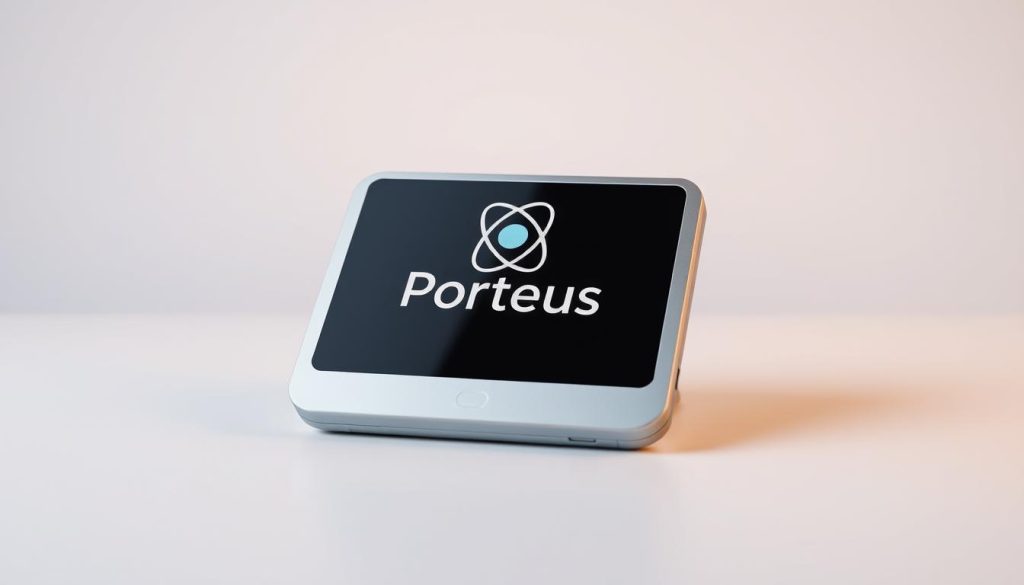
Porteus: Compact and Portable Efficiency
When mobility and speed are paramount, a specialized approach to operating system design offers compelling advantages. Porteus redefines portability with its unique architecture that prioritizes flexibility above all else.
Running Directly from System RAM
This distro loads completely into your computer’s ram during operation. This design eliminates constant drive access, resulting in exceptional speed.
The entire system operates from memory once booted. Applications launch almost instantly without the delays of traditional storage.
Modular Software and Customizable ISO Options
Porteus uses a modular approach to software management. Additional applications install as separate modules that don’t affect the core system.
Users have a choice of seven desktop environments when downloading the ISO. The 64-bit version supports both architectures through compatibility libraries.
This linux distro works perfectly from USB drives while offering full installation options. The current release provides well-configured default settings for immediate use.
Puppy Linux: An Established, Resource-Friendly Choice
Some operating systems achieve legendary status through decades of consistent performance on minimal hardware requirements. Puppy Linux represents this category, with over fifteen years of development refining its approach to efficient computing.
Diverse Versions for Varied User Needs
This project offers multiple editions built on different foundations. FossaPup64 9.5 derives from Ubuntu Focal Fossa, while S15Pup64 22.12 uses Slackware64 as its base.
This variety gives users flexibility in choosing the underlying architecture. Each version maintains compatibility with its parent distribution’s software repositories.
Utilizing Minimal Resources Without Sacrificing Functionality
Despite requiring only 256 MB RAM, Puppy Linux includes an impressive array of applications. The selection goes beyond standard office and web apps to include specialized tools.
We find utilities for finance management, disk space analysis, and network administration. Graphical tools simplify tasks like configuring Samba shares for Windows networks.
The desktop environment remains responsive while providing essential functionality. A dedicated browser installer acknowledges that modern web needs may require more feature-rich options.
Discovering the Most Lightweight Linux Distro: Tailoring Efficiency to Your Needs
Choosing the right streamlined distribution demands a thorough evaluation of how performance characteristics align with specific computing scenarios. We emphasize that finding the optimal solution requires careful assessment of your individual needs rather than simply selecting the option with the smallest footprint.
Evaluating Performance and Hardware Requirements
Performance assessment should extend beyond basic specifications to include real-world usage patterns. Consider boot times, application responsiveness, and multitasking capability under your typical workloads.
Hardware requirements vary significantly between different operating systems. Some run comfortably on minimal resources while others need more substantial system capabilities. Matching distribution demands to your available resources ensures smooth operation.
User Experience and Community Support
The user experience encompasses installation simplicity, documentation quality, and configuration accessibility. These factors significantly impact long-term satisfaction with your chosen system.
Community support represents a critical factor in distribution selection. Active forums, responsive maintainers, and helpful user communities can make troubleshooting much easier. For comprehensive guidance, explore this detailed resource on efficient operating systems.
Testing methodology should include evaluating distributions on actual target hardware when possible. Live USB versions allow performance assessment before committing to full installation.
Conclusion
Our exploration of streamlined computing options demonstrates that modern efficiency doesn’t mean compromising on essential features or usability. The distributions we’ve examined each offer unique approaches to balancing performance with resource consumption.
Choosing the right system involves assessing your specific hardware capabilities and intended use. Consider available ram, processor architecture, and storage drive capacity. The desktop environment you select significantly impacts your overall experience.
We encourage hands-on testing through live USB drives before committing to installation. This approach reveals how different window managers and software configurations perform on your actual machine.
The evolving landscape of efficient operating systems continues to provide excellent options for extending hardware life while maintaining responsive performance. Each release brings refined interfaces and improved features.
FAQ
What are the main advantages of using a lightweight Linux distribution?
Can I run standard applications on a lightweight Linux distro?
How do I choose the right lightweight distribution for my needs?
Are lightweight Linux distros secure?
What kind of desktop environments do these distributions use?
Is it difficult to install a lightweight Linux distribution?
Can I use these distros on a modern, powerful computer?
How much disk space do I need for a typical lightweight installation?
Where can I find support if I encounter problems?
Are these distributions suitable for beginners?

Janina is a senior specialist in information technology